
Description
Overview
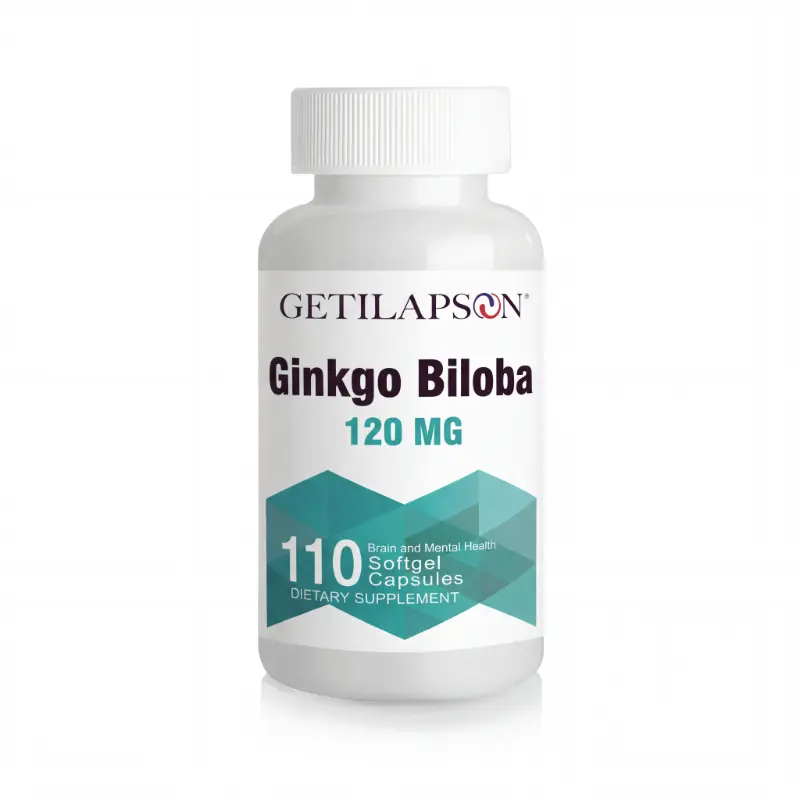
Ginkgo Biloba Extract’s core value involves neurosystem and microcirculation system dual protection. This substance represents a precision-processed standardized extract specifically the EGb 761 specification. This extract maintains strict active component ratios including 24% ginkgo flavone glycosides plus 6% terpene lactones. Clinical research confirms its free radical scavenging power and platelet-activating factor inhibition which improves blood rheology. Regarding mild cognitive impairment and dementia-related symptom clinical assessments, a daily 240 mg dosage remains the recognized threshold yielding significant statistical improvements.
Determining Ginkgo Biloba Extract quality depends on chemical fingerprint stability rather than simple plant powder volume. Academic literature highlights medicinal value stemming from precise ginkgolide and bilobalide extraction while reducing toxic ginkgolic acid content below 5 ppm. Global clinical practice guidelines include standardized ginkgo extract as a cognitive decline intervention option particularly regarding daily living capability and psychobehavioral symptom improvements. Multiple meta-analyses support these findings.
Ginkgo-related research anchors three key dimensions. The first involves neurodegenerative disease related cognitive loss. The second targets peripheral circulation disorders like intermittent claudication, tinnitus, and vertigo. The third assesses safety boundaries during multi-drug usage. Academic consensus suggests pathological cognitive decline populations gain higher benefits than healthy individuals. Therefore, healthy young adults should not view this as a universal intelligence-boosting tool.
1. Standardized extract active components determine physiological activity Ginkgo Biloba Extract’s Flavone glycosides handle superoxide anion scavenging while protecting vascular endothelium. Terpene lactones serve as powerful natural platelet-activating factor antagonists. This structure ensures blood-brain barrier penetration to provide neurocyte metabolic support. Non-standardized extracts fail to replicate these clinical results due to fluctuating component ratios.
2. Cognitive function improvement and dosage dependency Academic meta-analyses reveal a clear dosage effect. Daily 240 mg standardized extract intake significantly outperforms low-dose regimens for seniors facing cognitive decline. Improvements center on memory recall and focus. Since healthy adults show no significant cognitive enhancement in research, this product fits functional intervention logic rather than basic nutritional supplementation.
3. Vascular tension regulation optimizes microcirculation environments Ginkgolides inhibit platelet aggregation to reduce blood viscosity and improve hemodynamic markers. Research regarding peripheral arterial occlusive disease shows painless walking distance significantly increased following standardized extract intervention. This process optimizes microvascular permeability to solve tissue-end oxygen pressure issues and relieve circulation-related pain.
Neurocyte mitochondrial protection and anti-apoptosis pathways Ginkgo Biloba Extract demonstrates mitochondrial membrane potential maintenance in cellular experiments. It fights beta-amyloid induced neurotoxicity and slows nerve cell apoptosis. It provides a physical defense barrier through energy metabolism improvements for damaged or aging nervous systems.
Vascular tinnitus and vertigo clinical relief evidence Ear, nose, and throat specialty literature indicates standardized ginkgo extract provides vascular tinnitus relief. Increasing inner ear microvascular blood flow improves cochlear metabolic environments. Systematic reviews show patients with short-term, circulation-driven tinnitus respond most positively to standardized extract protocols.
Precision intervention replaces universal prevention logic Modern academic positioning for Ginkgo Biloba Extract avoids miracle drug labels. Its value lies in pathway-specific biological effects like protecting mitochondria and antagonizing inflammatory factors.