

Description
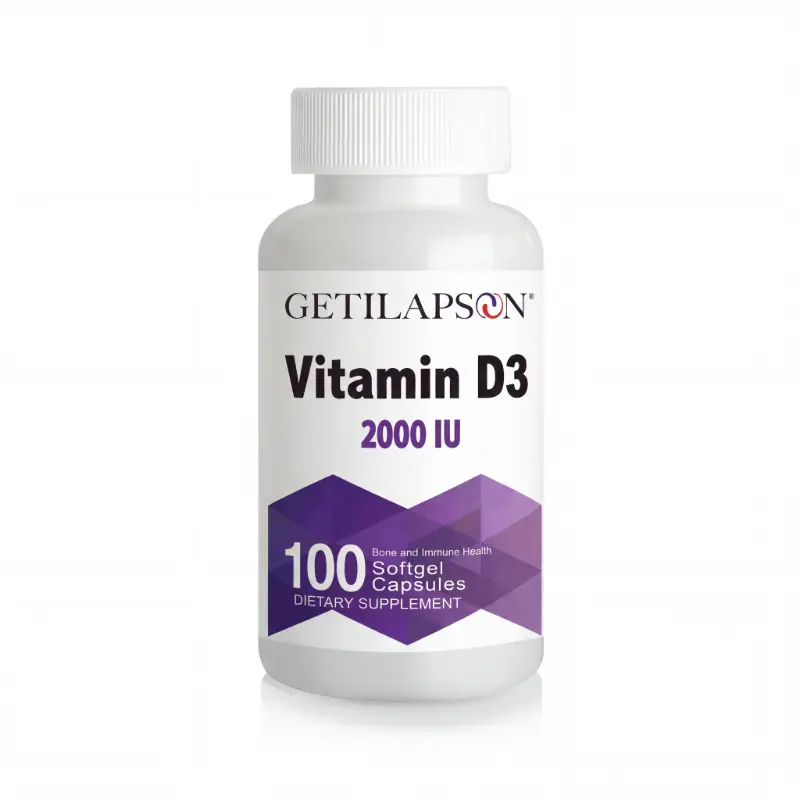
Vitamin D3
Product Overview
Vitamin D3 plays a central role in calcium and phosphorus utilization. It promotes intestinal calcium absorption and helps maintain adequate serum calcium and phosphorus concentrations, which are necessary for normal bone mineralization. When vitamin D is deficient, children can develop rickets and adults can develop osteomalacia. In the general population, a serum 25-hydroxyvitamin D level below 30 nmol/L, or 12 ng/mL, is associated with deficiency, while a level of 50 nmol/L, or 20 ng/mL, and above is generally considered sufficient for bone health.
Vitamin D3 is more commonly addressed as a distinct ingredient than vitamin D as a general category because cholecalciferol, or vitamin D3, is the form most widely used in supplements and is generally more effective at raising serum 25-hydroxyvitamin D concentrations. The key indicator of vitamin D status is not the number of international units consumed, but the serum 25-hydroxyvitamin D level achieved. Current clinical guidance continues to recognize 25-hydroxyvitamin D as the central biomarker of status and notes that routine screening is not necessary for most healthy adults, nor is long-term high-dose supplementation without a clear indication.
The main content surrounding vitamin D3 falls into three areas. The first is support for calcium absorption, bone health, and bone remodeling. The second is its relationship with muscle function and fall risk. The third is the relationship between supplementation and serum 25-hydroxyvitamin D status. Recent clinical guidance indicates that adults over age 75, children and adolescents, pregnant individuals, and adults with prediabetes may benefit from intakes above the recommended dietary allowance, while healthy adults under age 75 generally do not require long-term supplementation above the recommended intake.
Product Description
1. Promotes intestinal calcium absorption and supports normal bone mineralization
The most fundamental and well-established role of vitamin D3 is to promote active intestinal calcium absorption and help maintain adequate serum calcium and phosphorus concentrations. Without sufficient vitamin D, calcium absorption becomes less efficient, and bone mineralization is impaired. Bone is not a static structure. It undergoes continuous growth and remodeling through the coordinated activity of osteoblasts and osteoclasts, and vitamin D is involved in that process.
Nutritional status is commonly interpreted through serum 25-hydroxyvitamin D levels. A level below 30 nmol/L is associated with deficiency, 30 to 50 nmol/L is often considered inadequate, and levels at or above 50 nmol/L are generally regarded as sufficient for bone health. This framework matters because vitamin D3 supplementation is ultimately reflected not by the number of international units on the label, but by whether serum 25-hydroxyvitamin D reaches an appropriate range.
2. Directly related to bone health and fracture-risk management
The relationship between vitamin D3 and bone health extends beyond calcium absorption alone. Long-term inadequacy can contribute to bones that become thin, fragile, or poorly mineralized, which is the nutritional basis behind rickets in children and osteomalacia in adults. Research on fracture outcomes shows that vitamin D supplementation alone does not consistently reduce fracture risk in generally healthy older adults, particularly when baseline 25-hydroxyvitamin D status is unknown, calcium intake is inadequate, or intermittent high-dose regimens are used.
Systematic reviews and meta-analyses have reached a more consistent conclusion that fracture-related outcomes cannot be understood through vitamin D alone. Calcium intake, baseline nutritional status, age, osteoporosis status, and dosing strategy all affect the result. In the context of a vitamin D3 product, the most evidence-based bone-related language centers on supporting normal bone mineralization and helping maintain the conditions required for calcium utilization, rather than presenting supplementation as a direct fracture-prevention intervention.
3. Associated with muscle function and fall risk
A second major area for vitamin D3 is muscle health. Vitamin D is involved in normal muscle function, and clinical as well as nutritional research has long examined the relationship between vitamin D status, muscle strength, physical performance, and falls. A 2021 systematic review found that the effects of vitamin D supplementation on muscle health are not uniform across all populations, but improvements are more likely to be observed in those with low baseline status, advanced age, or reduced functional capacity.
Findings related to falls also vary according to baseline status. A 2021 meta-analysis reported that in older adults with serum 25-hydroxyvitamin D below 50 nmol/L, vitamin D supplementation alone reduced fall risk, whereas in those already at or above 50 nmol/L, supplementation alone did not show the same effect. This distinction allows vitamin D3 content to address both support for muscle function and the fact that outcomes differ according to baseline status.
4. The key vitamin D3 marker is serum 25-hydroxyvitamin D
After vitamin D3 supplementation, the marker used to assess status is serum 25-hydroxyvitamin D rather than vitamin D3 itself. Serum 25-hydroxyvitamin D reflects total vitamin D exposure from food, supplements, and skin synthesis, which is why it serves as the central biomarker in both clinical practice and research. Current clinical guidance continues to rely on this measure.
This matters for product understanding because the rise in serum 25-hydroxyvitamin D does not occur equally in all individuals at the same dose. Sun exposure, body fat, age, baseline status, and adherence all influence the outcome. For that reason, the most meaningful information in vitamin D3 content is not a dose figure by itself, but the relationship between dose, baseline status, and serum 25-hydroxyvitamin D response.
Recommended intake and above-RDA use do not apply equally to all groups
For healthy adults, more vitamin D3 is not automatically better. Current clinical guidance indicates that healthy adults under age 75 generally do not require supplementation above the recommended dietary allowance and do not need routine testing for serum 25-hydroxyvitamin D. At the same time, children and adolescents, pregnant individuals, adults over age 75, and adults with prediabetes may benefit from intakes above the recommended level.
This distinction shows that vitamin D3 content cannot treat all populations as having the same needs. Healthy younger adults, older adults, pregnant individuals, and people with certain metabolic risk profiles do not follow the same supplementation logic. Explaining that distinction is more consistent with current clinical guidance than simply emphasizing higher potency.
Fracture and fall research distinguishes clearly by dosing strategy
In vitamin D research, dosing strategy has a direct effect on the conclusions. A 2024 systematic review on fracture outcomes in healthy older adults reported that intermittent high-dose vitamin D, especially when vitamin D status had not been assessed and calcium intake had not been considered, did not produce a consistent fracture-prevention effect. Some analyses also suggested unfavorable signals.
This means vitamin D3 content cannot treat all supplementation strategies as equivalent. Daily intake, baseline deficiency, and adequate calcium intake all influence study results. Aligning conclusions with the appropriate context is necessary to avoid presenting vitamin D3 as though it performs the same way in every population, at every dose, and under every dosing schedule.
Vitamin D3 and calcium must be considered together
Vitamin D3 and calcium cannot be understood in isolation. Calcium provides the primary mineral foundation of bone, while vitamin D helps ensure efficient intestinal calcium absorption and maintains calcium balance in the blood. If calcium intake is ignored, many bone-related conclusions involving vitamin D become incomplete or misleading.
This is why calcium appears alongside vitamin D in so many studies and clinical recommendations. Whether the topic is bone density, fracture, or falls, vitamin D supplementation alone is often not enough. Calcium intake, dietary context, and baseline nutritional status must also be considered. Any vitamin D3 product positioned around bone health should reflect that relationship.