
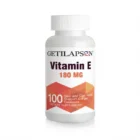
Description
Product Overview
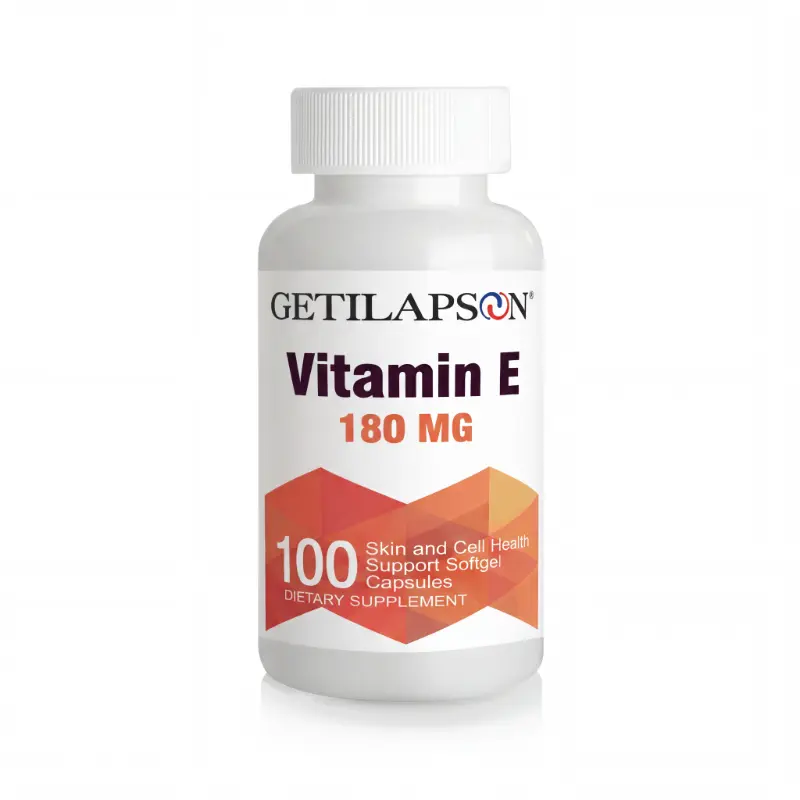
Vitamin E is a fat-soluble nutrient, and alpha-tocopherol is the main form present in human blood and tissues. It is also the only form used to define human vitamin E requirements. In the body, vitamin E is found primarily in lipid-rich structures such as cell membranes and lipoproteins. There, it helps neutralize peroxyl radicals generated during lipid peroxidation and helps limit oxidative damage to polyunsaturated fatty acids.
Vitamin E stands out because its role is highly specific. Rather than serving as a general antioxidant in abstract terms, it works where lipids face the greatest oxidative stress. When polyunsaturated fatty acids within cell membranes undergo repeated oxidation, membrane integrity and related physiological functions may be affected. At that point, alpha-tocopherol acts as a chain-breaking antioxidant, interrupting lipid peroxidation before the reaction continues to spread.
Human research also links vitamin E with immune function. In a randomized, double-blind, placebo-controlled trial published in JAMA, 88 healthy adults aged 65 years and older received supplementation for 235 days. The group taking 200 mg per day showed a 65 percent increase in delayed-type hypersensitivity response and an approximately sixfold rise in hepatitis B antibody titers. These findings were stronger than those seen in the placebo group and also stronger than those reported in the 60 mg and 800 mg groups.
Product Description
1. Helps support cell membrane lipids
Vitamin E plays its most established role within the lipid portion of cell membranes. Alpha-tocopherol donates a hydrogen atom to lipid peroxyl radicals, which stops free-radical chain reactions and helps preserve long-chain polyunsaturated fatty acids within the membrane. This is a direct protective function tied to membrane lipid stability.
2. Helps reduce lipid peroxidation in lipoproteins
Vitamin E is present not only in cell membranes but also in plasma lipoproteins. Research and review literature show that alpha-tocopherol acts as a peroxyl radical scavenger in these structures as well, helping reduce oxidation in circulating lipid components. Human supplementation studies have also shown that alpha-tocopherol can lower the susceptibility of low-density lipoprotein to oxidative damage.
3. Provides the form the body preferentially retains
The vitamin E family includes eight naturally occurring compounds, made up of four tocopherols and four tocotrienols. The body does not retain these forms equally. According to NIH, alpha-tocopherol is the predominant form maintained in human tissues and the only form used to define dietary requirements. This reflects the liver’s selective handling and redistribution of alpha-tocopherol.
Provides immune-related support backed by human research
Vitamin E contributes more than lipid protection alone. The JAMA trial described above showed that supplementation with 200 mg per day in healthy older adults was associated with improved delayed-type hypersensitivity response, along with stronger antibody responses to hepatitis B and tetanus vaccination. Later reviews have continued to cite this trial as a key human study linking vitamin E with immune function in older adults.
Vitamin E refers to a family of eight naturally occurring fat-soluble compounds, including four tocopherols and four tocotrienols. Although all belong to the vitamin E family, they do not share the same metabolic fate in humans. Alpha-tocopherol is the form the body preferentially retains and uses to meet vitamin E requirements. For that reason, the most important question for a vitamin E product is not simply how much it contains, but which form it provides.
The biological value of vitamin E rests on a clearly defined function. It helps protect lipids against ongoing oxidative damage. Alpha-tocopherol acts as a peroxyl radical scavenger and helps preserve long-chain polyunsaturated fatty acids within cell membranes. This function has kept vitamin E firmly established in nutritional science because it addresses one of the most oxidation-sensitive parts of cellular structure.
Vitamin E deficiency further underscores the importance of this role. When vitamin E status is inadequate, lipid peroxidation may increase in vulnerable tissues. In severe deficiency states, the effects are most apparent in the nervous system and may include ataxia, peripheral neuropathy, muscle weakness, and retinal damage. These findings show that vitamin E is not a marginal nutrient. Over time, it contributes to membrane protection and tissue stability.
NIH sets the Recommended Dietary Allowance for adults at 15 mg of alpha-tocopherol per day. This standard reinforces that vitamin E is a foundational nutrient. In the context of a single-ingredient vitamin E product, the most meaningful information includes the form provided, the primary structures it helps protect, and the human research that directly supports its role.